Blackbirds strike gopher snake models far more often than rattlesnake models
An Oregon study found a difference in physical attacks, but researchers could not determine whether the birds recognized the danger posed by venomous snakes.
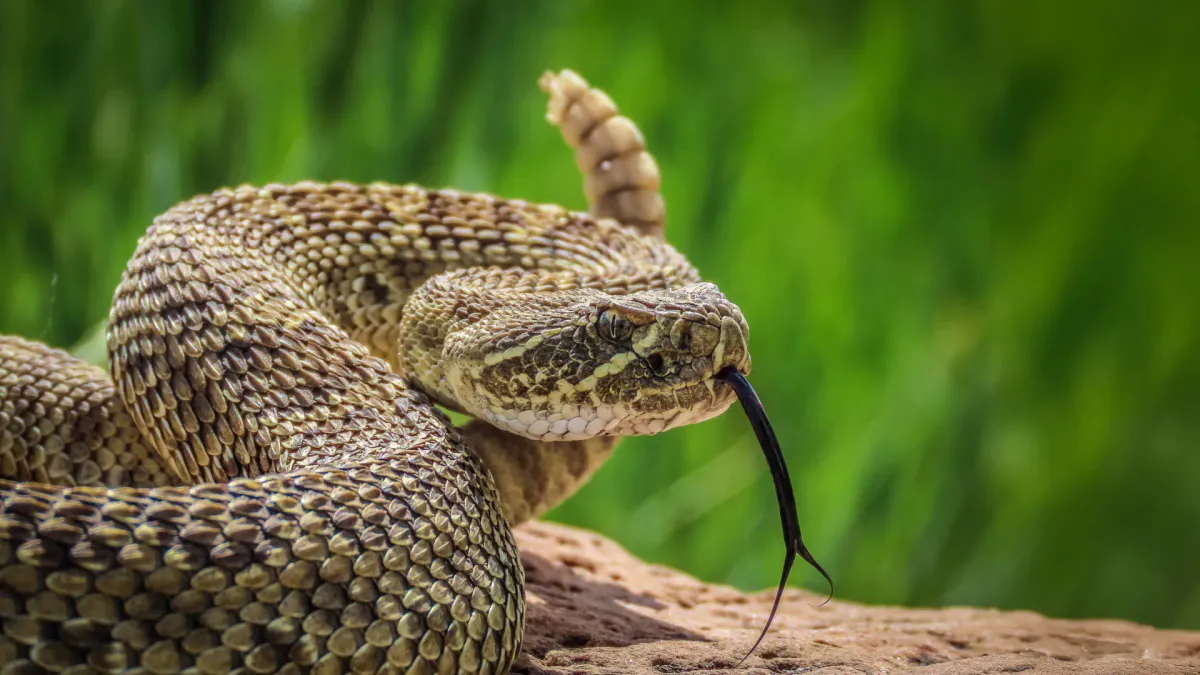
Nesting red-winged blackbirds hit models of nonvenomous gopher snakes more than 80 times during experiments in western Oregon, while a rattlesnake model received only one strike. The findings, published in Behavioral Ecology, suggest the birds may distinguish between snakes they can confront and those too dangerous to touch.
Shelby Lawson, a postdoctoral researcher at Oregon State University who led the study, said the reason remains uncertain. The birds might have recognized a threat, or features of the rattlesnake models, including the rattle, might have discouraged contact. Rattlesnakes largely disappeared west of the Cascade Range during the 1800s, so local blackbirds are unlikely to have encountered them.
Researchers presented stationary, realistic animal models near dozens of nests. Approximately half contained eggs; the others held young chicks. Alongside snakes, the team tested scrub jays, ground squirrels and cowbirds. Song sparrows, which do not prey on blackbird nests, provided a control.
Potential predators prompted stronger aggression than sparrows. Responses to the two snake species were otherwise similar, including swoops toward rattlesnake models. Contact with either snake occurred only after hatching. Both birds protecting their own nests and neighboring blackbirds attacked gopher snake models at that stage.